
Abstract art often raises a familiar question among gallery and museum visitors: what do these works actually represent? Because they do not depict recognisable figures, landscapes or objects, they are frequently perceived as purely formal compositions, disconnected from reality. Yet this assumption overlooks much of what abstract art has explored throughout the twentieth century and continues to explore today.
Although abstract art encompasses a wide range of approaches, much of it emerged not from a desire to abandon the visible world, but to investigate aspects of experience that cannot be understood through appearance alone. Time, movement, rhythm, energy and transformation became just as compelling to many artists as trees, mountains or portraits. Rather than asking how to faithfully represent a landscape, they began asking how experiences, relationships and invisible phenomena might be translated into visual form.
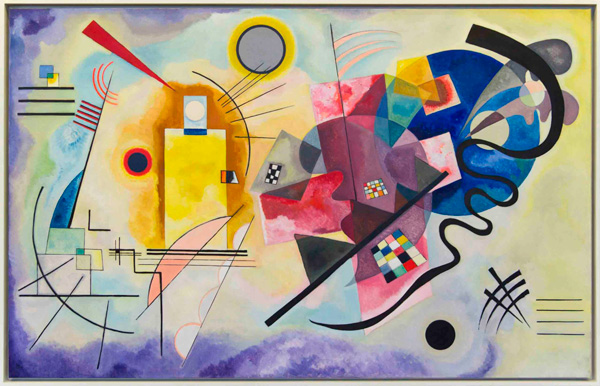
Kandinsky explored emotion and spirituality through colour and form.
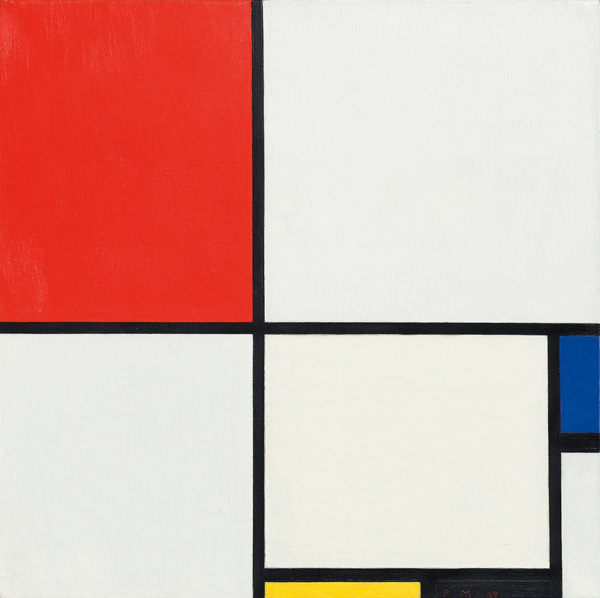
Mondrian gradually reduced trees and landscapes to geometric structures that, for him, revealed the underlying order of nature.
Later, Bridget Riley investigated visual perception, creating static paintings that generate a powerful sensation of movement.
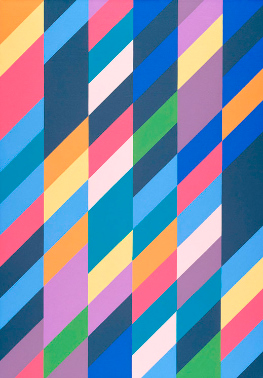
In each of these cases, abstraction does not mark a departure from reality but a shift in what is being observed. The emphasis moves away from the appearance of things and towards the processes that give them form.
Contemporary Abstract Art
This understanding of abstraction continues to inform the work of many contemporary artists. Among them is British artist Jacqueline Duncan, whose practice is rooted in the observation of nature—not to reproduce its forms, but to investigate the processes that shape them.
This tradition remains very much alive in the work of contemporary artists who use abstraction as a way of exploring invisible phenomena. Jacqueline Duncan’s practice belongs within this context, approaching nature not as a subject to be depicted, but as a system of relationships to be understood.
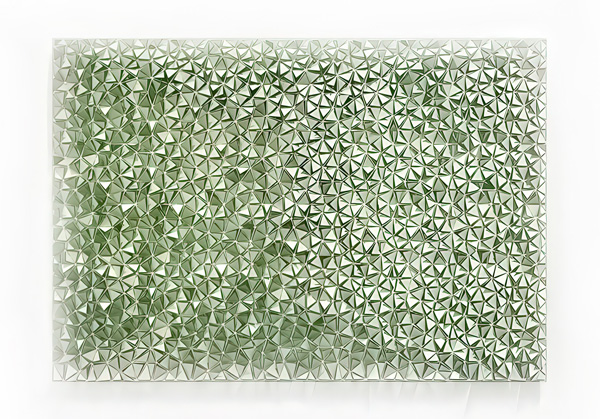
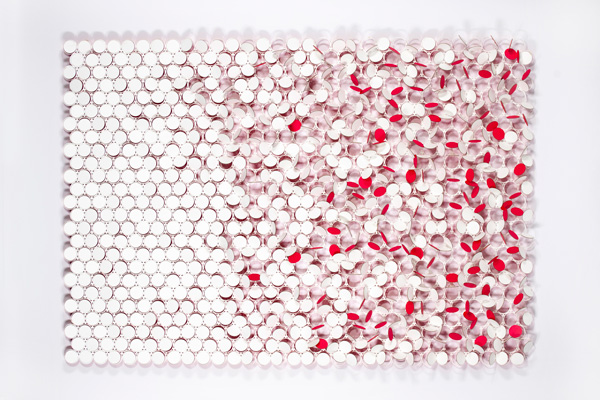
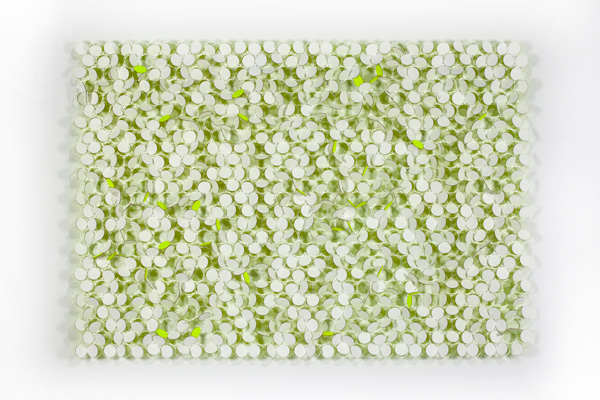
Living on the River Dart estuary in southwest England, Duncan has developed an ongoing practice of observing water. Whether photographing the view from her studio, sailing on the estuary or following changes along the coastline during her travels, she pays close attention to shifting tides, light, currents, weather and the changing seasons. This sustained observation has become a method of enquiry, informing the way she translates natural processes into her artistic practice.
Her relationship with water, however, extends beyond the British landscape. Duncan lived in Brazil for more than two decades and continues to maintain a close connection with the country, returning regularly. The diversity of its rivers, coastline and aquatic ecosystems continues to nourish her research, reinforcing her interest in water as a system in constant transformation. This ongoing dialogue between the United Kingdom and Brazil has also strengthened her presence within the Brazilian contemporary art scene. Represented by Eduardo Fernandes Gallery in São Paulo, her work has received growing recognition among collectors and institutions.
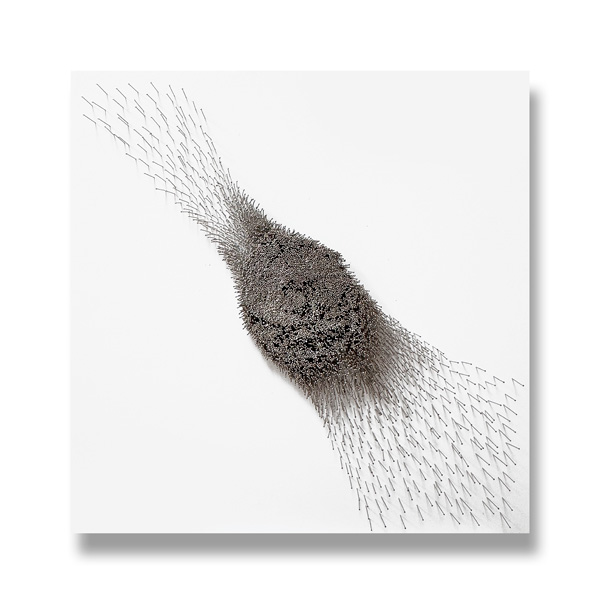
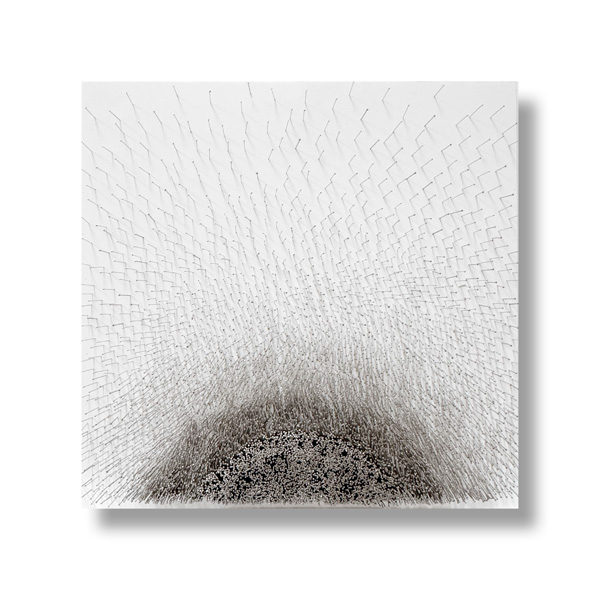
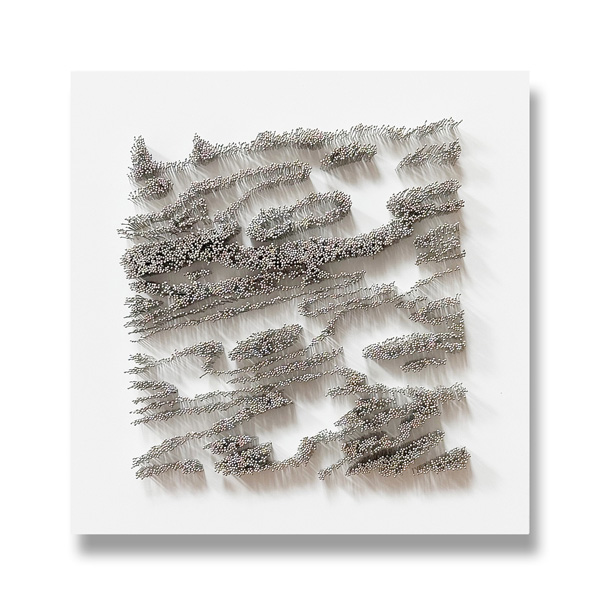
As Duncan explains, “Water ceased to be simply a subject to depict and instead became a way of understanding rhythm, time, change, flow and interconnectedness.” Rather than painting what she sees, she investigates the forces that shape the landscape and translates them through different materials.
Her aim is “to capture the essence, the energy and the emotional resonance of a place, rather than its literal appearance.” Rather than copying nature, her work seeks to translate the experience of encountering it.
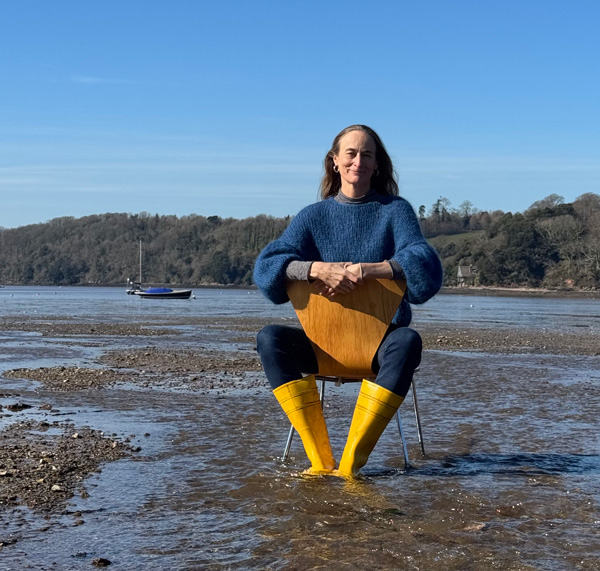
Jacqueline Duncan’s practice demonstrates that, for many contemporary artists, abstraction is not about abandoning reality, but about finding new ways to make it perceptible. Rather than representing objects, it seeks to translate the processes, relationships and invisible forces from which they emerge.
Translated from the original article published in Portuguese by the Brazilian art portal Arte Ref.