
Jacqueline Duncan presents a guide to London and its surrounding region in 2026, drawing on exhibitions across art, design, history, and contemporary practice. She focuses on eight exhibitions across museums and galleries that point to key artists, methods, and concerns shaping the year.
1. Lucian Freud: Drawing Into Painting — National Portrait Gallery, London
12 February – 4 May 2026
The National Portrait Gallery presents ‘Lucian Freud: Drawing Into Painting’, an exhibition that examines the pivotal role of drawing throughout Freud’s career. The show brings together works on paper alongside oil paintings, revealing how Freud’s observational rigor and graphic precision informed his approach to portraiture and the human figure.
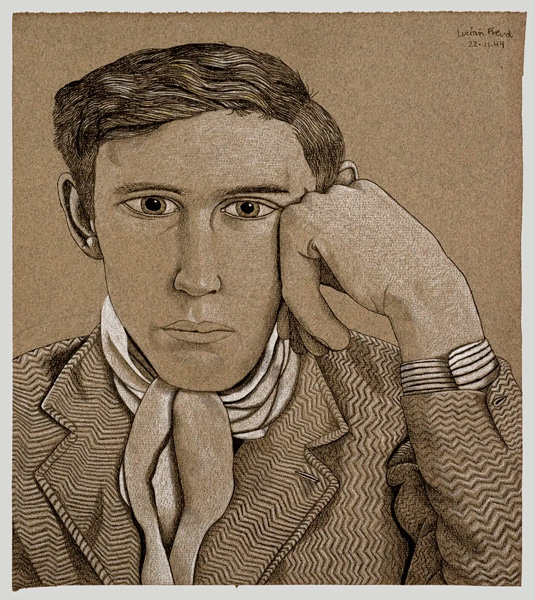
This exhibition provides insight into a lesser-known dimension of Freud’s practice, showing how drawing acted as both a foundation and a parallel activity to painting. For visitors interested in the process behind Freud’s intensely focused portraiture, the exhibition offers a rare opportunity to explore his methods and the development of his distinctive visual language.
2. Anish Kapoor — Hayward Gallery, London
16 June – 18 October 2026
The Hayward Gallery hosts a major exhibition dedicated to Anish Kapoor, one of the most influential sculptors of his generation. Kapoor’s body of work is known for its exploration of perception, materiality, and spatial experience, and this exhibition brings together a selection of iconic works alongside more recent experiments that expand his engagement with form and optical phenomena.
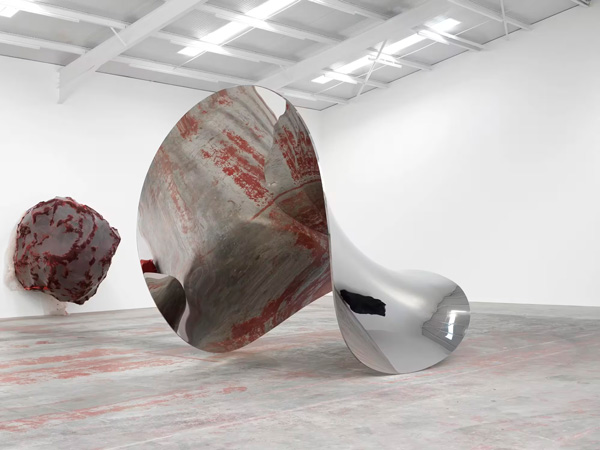
With large-scale installations and immersive environments, the exhibition invites viewers to navigate Kapoor’s sculptural landscapes while considering themes of void, reflection, and embodiment. The show underscores Kapoor’s enduring relevance within both architectural and sculptural discourse, reaffirming the Hayward as a leading space for contemporary art.
3. The John Ruskin Prize 2026 — Trinity Buoy Wharf, London
29 January – 21 February 2026
Jacqueline Duncan has been selected for The John Ruskin Prize 2026, an international multidisciplinary exhibition that brings together artists working across sculpture, installation, drawing, textiles, painting, photography, digital media, and performance. Taking place at Trinity Buoy Wharf in London, the prize highlights contemporary practices grounded in material exploration, critical inquiry, and craftsmanship.
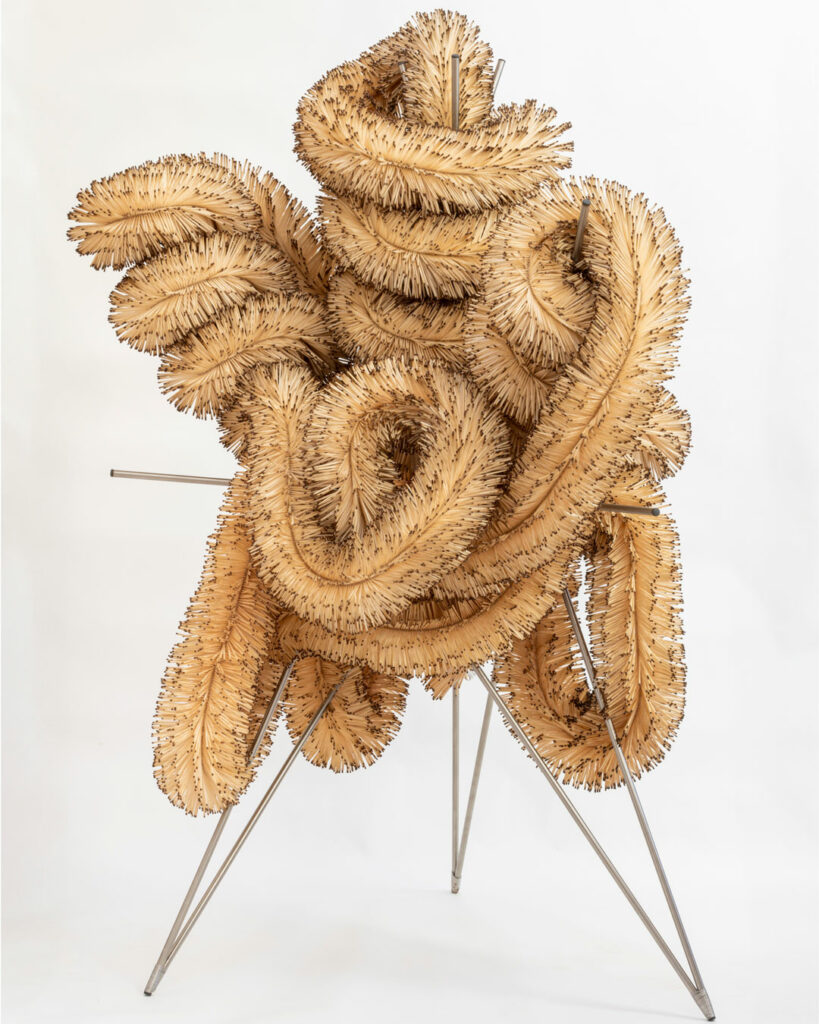
Duncan will present Relationship (2025), a large-scale sculpture composed of hundreds of wooden sticks connected with stainless steel, reflecting on balance, tension, and interdependence. The exhibition situates her work within a wider dialogue about making and material integrity — principles closely aligned with John Ruskin’s belief that artists reveal universal truths through close attention and thoughtful construction. Now in its eighth edition, the prize continues to support makers across career stages, while fostering a broader appreciation for diverse artistic approaches.
4. Ana Mendieta — Tate Modern, London
9 July 2026 – 10 January 2027
Tate Modern dedicates a major exhibition to Ana Mendieta, whose pioneering career spanned performance, film, photography, and sculpture. The exhibition gathers key works from Mendieta’s Silueta Series and related actions, in which she explored identity, embodiment, belonging, and the political dimensions of land and landscape.
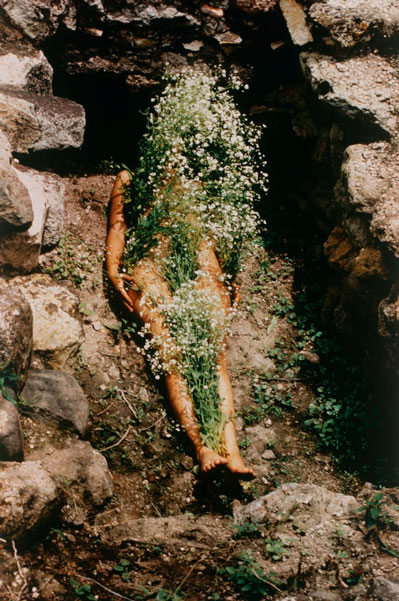
The presentation reflects on Mendieta’s cross-disciplinary contributions and her influential position within feminist and Latin American art histories. By foregrounding her integration of body, earth, and gesture, the exhibition offers audiences a comprehensive perspective on Mendieta’s practice and its resonance within contemporary discourse.
5. Chiharu Shiota: Threads of Life — Hayward Gallery, London
17 February – 3 May 2026
Threads of Life at the Hayward Gallery presents new and recent works by Chiharu Shiota, including her signature thread installations that transform architectural space into immersive environments. Shiota’s sculptures and installations often suspend everyday objects in webs of thread, creating poetic reflections on memory, absence, and the traces of human experience.

The exhibition highlights Shiota’s engagement with themes such as the fragility of existence, the body’s presence and disappearance, and the ways in which personal histories intertwine with collective memory. Through a combination of large-scale installations, works on paper, and sculptural elements, the show offers a contemplative encounter with one of today’s most distinctive artists.
6. Julio Le Parc — Tate Modern, London
11 June – 15 September 2026
Tate Modern presents the first major UK exhibition of Julio Le Parc, a central figure of kinetic and optical art. Spanning several decades of production, the show brings together immersive installations, participatory works, and research into light, movement, and visual perception. The exhibition introduces UK audiences to the breadth of Le Parc’s contribution to the international avant-garde.
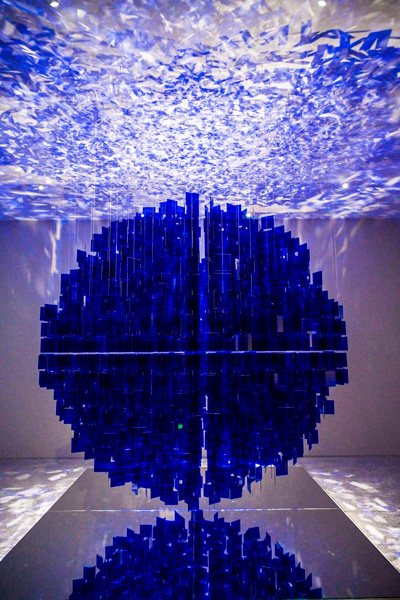
Le Parc’s works often invite active viewer participation, encouraging movement and perceptual experimentation. By foregrounding the artist’s role within GRAV (Groupe de Recherche d’Art Visuel) and the wider kinetic art movement, the exhibition situates his practice within a global narrative that continues to influence contemporary approaches to interactivity and audience engagement.
7. Barbara Hepworth Hepworth in Colour — Denise Coates Exhibition Galleries, Courtauld Gallery, London
28 January – 9 May 2026 (program confirmed; dates from institutional schedule)
The Courtauld Gallery presents Hepworth in Colour, a focused survey exploring Barbara Hepworth’s use of colour across her work. While widely known for her sculptural forms, Hepworth also engaged with colour through painted surfaces, drawings, and studio practice. The exhibition highlights this lesser-studied dimension of her oeuvre, offering a fresh perspective on her approach to form and material.
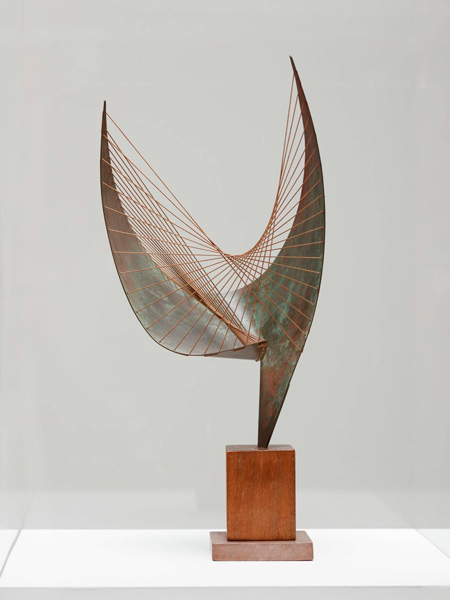
By examining the relationship between colour, texture, and sculptural rhythm, the exhibition expands the understanding of Hepworth’s creative strategies and her engagement with abstraction. For visitors familiar with Hepworth’s work, this show offers new insights into the nuances of her process and the interplay between her sculptural and graphic production.
8. Ascendance — Sussy Cazalet, Tristan Hoare Gallery, London
6 February – 20 March 2026
The Tristan Hoare Gallery presents Ascendance, an exhibition by multidisciplinary artist and designer Sussy Cazalet. Known for her experiments with form, texture, and spatial composition, Cazalet creates works that blur boundaries between sculpture, design, and architectural intervention.

The exhibition showcases a series of sculptural pieces that explore the relationship between organic and geometric languages. Through refined material choices and a sensitivity to scale, Cazalet creates environments that evoke both physical presence and contemplative quiet. The presentation underscores the growing interest in cross-disciplinary practices within contemporary art and design.
9. Thread — Sarah Myerscough Gallery, London
26 March – 14 May 2026
The Sarah Myerscough Gallery presents Thread, a group exhibition featuring artists whose practices engage with fibres, textiles, and expanded craft traditions. The show brings together works that push the limits of textile-based processes, exploring gesture, repetition, labour, and material culture across contemporary practices.

Through sculpture, weaving, installation, and mixed media, the exhibition amplifies the dialogue between craft and fine art — a conversation increasingly visible in major institutions. By foregrounding material knowledge and technical skill, Thread highlights the renewed relevance of fibre-based practices within the broader landscape of contemporary art.
2026 sees contemporary art institutions across London and beyond investing in scale and ambition.